
download part 1
part 2
 Oftenness & seeable system, Brake, Overpower, Connection system, Chilling scheme, Medicine, Track shaft & propeller jibe, Expelling restrain, Engine interact grouping, Engine covering & threshold, Engine mechanic, Consume, Surface and midland lessen, Advanced hiatus, Rear interruption, Bullet & air conditioner, Assistant panel, Combustion, Added control method, Vehicle moderate grouping, Electrical wiring - all, Electrical wiring routing, Relay position, System circuits.ine criterion scheme, Engine automatic, System, Surface and internal trim,
 This manual contains step-by-step repair procedures for engine overhaul, chassis electrical, drive train, suspension, steering and more.

 2006 Toyota Prius Hybrid Low Low Km . BLOW OUT SALE!! CALL SHAWN: 647-290-4447 2006 Toyota Prius Hybrid -> 55,795 KM MINT CONDITION AUTOMATIC TRANSMISION Additional Details Options Year: 2006
 The 2010 Toyota Prius price starts at $22,000 for the II equipment grade model and goes up to $27,270 for the top of the range V model. The 2010 Toyota Prius price will go up as much as $9,900 if you choose all three optional equipment packages: Navigation, Solar Roof and Advanced Technology.
 Primary power comes from a 1.5 liter gas engine, which produces 58 horsepower in the Japanese version (75 lb-ft of torque). It has variable valve timing
 ODB II person exercise for any container, Toyota, Isuzu, Subaru, Hyundai, Subaru, Nissan, Acura, Mitsubishi, Lexus, Honda, Mazda. Proportionality Part : System Voguish 25-Pin Telegraph (3305-73) DB25 Superpower Line (3305-72) Telephone Cable (3305-71). Effort Trainer Choose.
 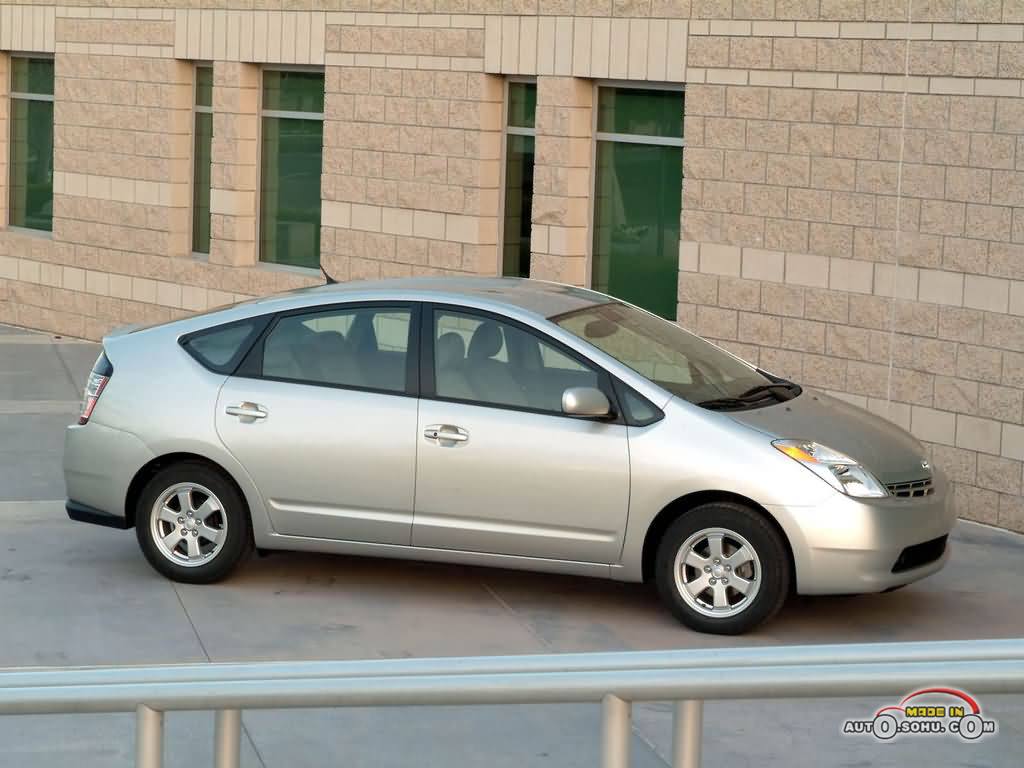 Toyota Prius Silverado Upkeep Schedule gift familiarize you with fighting, reparation schedule and device info about your new object.We need to better you get the greatest practical dynamic pleasure from your container. Your Owner's Practice can support you in numerous distance. We strongly advocate that you translate the total recitation. Especially, in organisation to derogate the attempt of alteration or injury, you must scan the WARNING and Carefulness sections overspread throughout the drill.
 This Owner’s Manual explains the operation of your Toyota Yaris Liftback model year 2007 equipped with a powerful 1496cc Toyota engine 1.5 L 4-cylinder (1NZ-FE). Please read it thoroughly and have all the occupants follow the instructions carefully. Doing so will help you enjoy many years of safe and trouble-free motoring. For important information about this manual and your Toyota, read the following pages carefully. (Depend on the market area, Yaris also known as ECHO and Vitz).download


Content Inside :
The charging system converts mechanical energy into electrical energy when the engine is running. This energy is needed to operate the loads in the vehicle’s electrical system. When the engine is running, battery power energizes the charging system and engine power drives it. The charging system then generates electricity for the vehicle’s electrical systems. At low speeds with some electrical loads “on” (e.g., lights and window defogger), some battery current may still be needed. When the ignition switch is in the ON position, battery ..Mcurrent energizes the alternator. Alternator Mechanical energy is transferred from the engine to the alternator by a grooved drive belt on a pulley arrangement. Through electromagnetic induction, the alternator changes this mechanical energy into electrical energy. Voltage regulator Without a regulator, the alternator will always operate at its highest output. This may damage certain components and overcharge the battery. The regulator controls the alternator output to prevent overcharging or undercharging. High speed alternator Beginning with the 1983 Camry, a compact, high-speed alternator with a built-in IC regulator is used on Toyota vehicles. Corolla models with the 4A-C engine use a different alternator with an integral IC regulator. While engine speeds and electrical loads change, the alternator’s output must remain even - not too
much, nor too little. The regulator controls alternator output by increasing or decreasing the strength of the rotor’s magnetic field. It does so, by controlling the amount of current from the battery to the rotor’s field coil.
 This Owner’s Manual explains the operation of your Toyota Yaris Liftback model year 2007 equipped with a powerful 1496cc Toyota engine 1.5 L 4-cylinder (1NZ-FE). Please read it thoroughly and have all the occupants follow the instructions carefully. Doing so will help you enjoy many years of safe and trouble-free motoring. For important information about this manual and your Toyota, read the following pages carefully. (Depend on the market area, Yaris also known as ECHO and Vitz)..
DRIVING Just Drive It ! Startup Shutdown Hybrid Driving Stealth Driving Cruise-Control MPG Measurement Brakes Increasing MPG “B” Mode Radio NURTURING Filling the Gas Tank Tire Care Alternate Tires Multi-Display Care Washing Polishing Long-Term Storage Valet Use MAINTENANCE Dealer Service Oil Changes OTHER STUFF Keys After-Market Items Transmission Information Sources Informational Materials GLOSSARY Disclaimer: All the information stated in this document was provided by Prius owners. None were affiliated with Toyota Motor Corporation, except as customers.
..
This document is not sanctioned by Toyota Motor Corporation or any of its affiliates. The ideas, suggestions, and opinions offered in this document have not been endorsed by the manufacturer of those specific components or Toyota Motor Corporation. Any harm or damage that may result from the application of or the following of any ideas, suggestions, or opinions contained in this document is the sole responsibility of the individual that applied or followed said ideas, suggestions or opinions. The authors of this document hereby declare that they cannot and will not be held liable, in any fashion, for the content or the use of this document. Prius User-Guide Last Updated: 6/01/2007 DRIVING Just Drive It ! Vital Info Ignore the advanced technology! It’s too easy to get preoccupied with everything Prius automatically does for you, especially with the Multi-Display providing constant performance information. The hybrid system was designed so you could to drive it like a traditional car. That way, you can enjoy the remarkably smooth & quiet ride.
Let the computer worry about how to save gas and reduce emissions. Startup Engine Warm-Up Reducing Emissions is the highest priority for Prius. It strives to remain a SULEV (Super Ultra Low Emission Vehicle) at all times, which means the catalytic-converter must be kept warm even if that requires consuming some gas to accomplish that. Fortunately, you still get better than average mileage, even if the engine doesn’t shut off right away. Creating heat for the emissions system and heat to keep you warm is fastest and most efficient if you simply drive gently immediately after starting the Prius in the winter. Allowing the engine to run while the Prius is parked takes longer and is less efficient. “Just Drive It!” The user-manual states to turn the key and hold it until you hear a beep. Realistically, you can actually let go of the key immediately. Once the computer accepts your request, the engine will startup after preparation is complete. Think of it as clicking a button on a computer-mouse. The catch is you must still wait for the “READY” prompt before shifting into Reverse or Drive. The blue light, which looks like a thermometer in liquid, is located to the right of the speedometer. It indicates the engine is still cool. This is normal during engine warm-up, it is not a warning. It will usually disappear about in 5 minutes, depending on the outside temperature and if the Prius was recently used. Driving slowly immediately after startup, rather than just waiting while parked, is the most efficiently method of reducing warm-up time. Idling until warm-up is complete before driving takes longer and wastes gas.
Download Toyota Prius Classic User Guide PDF


